For our collective research paper, we each chose a district in Connecticut and researched information about our respective districts in order to assess its readiness to engage in critical pedagogy. As a class we created a codebook based on course readings/frameworks and engaged in multiple rounds of content analysis. The three main sources of data for each district came from the school’s main webpage, student/family handbooks, and mission/vision/equity statements. Based on the individual research done, we were then able to, as a class, categorize districts into three levels of readiness to engage. In this process, we came up with three different thesis statements across districts:
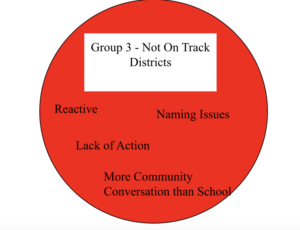
- Some districts have started conversations on issues of inequity, however, there is no evidence that they have systems (policies, programs, or curriculum) in place to uphold these conversations.
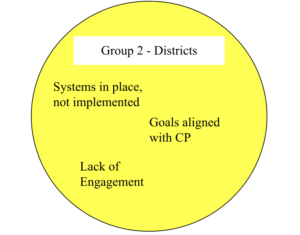
- Some districts have systems (policies, programs, and curriculum) in place to address issues of inequity and that are aligned with critical pedagogy, however there is a lack of evidence that they have engaged with or implemented these systems.
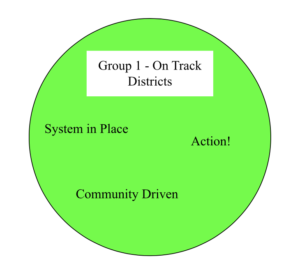
- Some districts have initiated systems (policies, programs, and curriculum) that reflect elements of critical pedagogy and share documented evidence of implementation.
Additionally, to sort districts into thesis statements, we came up with 4 categories of implementation to access which districts were ready for the implementation of Critical Pedagogy.
Categories for implementation
- Staff in Place
- Handbook/Equity and Mission Statement
- Policy/Program/Curriculum in Place to Uphold and Enforce Mission Statement
- Community Action/Engagement
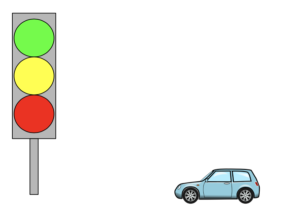
We developed a graphic to analyze our findings called the “Red Light Model”…
Red Light Model: Red districts need to stop and rethink some policies before implementing Critical Pedagogy, Yellow districts need to slow down and look at their policies in place before implementing Critical Pedagogy, Green districts are ready to go and can begin the implementation of Critical Pedagogy.