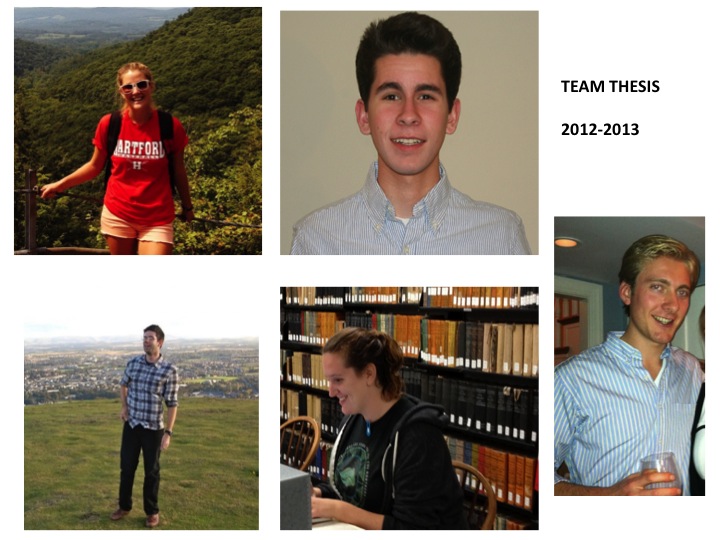
 By: Daniel Morgan (History major, Class of 2013)
Is there anything more quintessential to the education of young historians than the thesis exercise? Writing a two semester thesis has long been a staple of the liberal arts curriculum, and rightly so. Through this labor of love, a history major puts all of his or her skills to the test (from critical and analytical reading to the development of a cogent and articulate argument) and ultimately produces a work which adds to the collective body of Trinity scholarship. The History Department thesis writers for the class of 2013 are (alphabetical by last name): Kyle Loder, Kathleen McKenna, Francis Russo, and Emma Sternloff. This writer is also a thesis writer for the 2013 year – however, I would like to step back after this brief introduction, and let my colleagues speak for themselves. I have asked each of this year’s thesis writers to comment briefly on writing a history thesis, as well as their opinions on history scholarship in general.
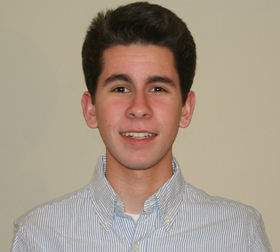
 Kyle Loder, working with Jonathan Elukin, is writing on the House of Lords in 1911 and the reformation of parliament in this year. His scholarship has focused on the perceptions of power among and outside of the elite who made up this branch of parliament. Speaking laconically on the subject (as we are all forced to do as devote our time to our chapters), Kyle had this to say: “Writing a thesis has been a challenging but hugely rewarding experience even two months into the process.”
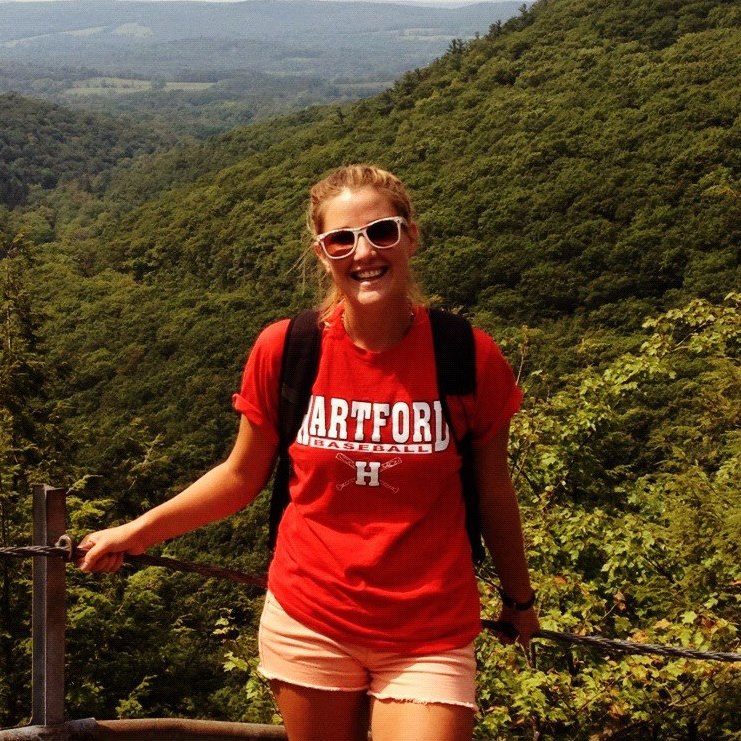 Kathleen McKenna is working under Sean Cocco, and is writing a semi-biographical history on Maria Montessori, her world, and implications her philosophy had on the history of education. She writes: “The thesis team has built a solid foundation of research since the beginning of the semester and I have found it immensely advantageous to have four other writers to bounce ideas off of and discuss our projects. The research and writing process has been incredibly rewarding, a culmination of the skills this institute had worked to develop in its students. The ability to conduct original research and to formulate my voice as a historian in a project of this size is an excellent marker of the evolution of myself as a student. Thesis writing has always been a part of how I envisioned my time at Trinity and I am excited to now be engaged in the process. My decision to write a senior thesis is a larger indicator of my gratifying experiences within the History department. Being a self-proclaimed commitment-phobe, I put off declaring as a history major until the last moment, although it was inevitable that I would so. Each professor that I have had has possessed a genuine passion for their field of study that is conveyed in their lectures and discussions. In the economics’ dominated Trinity, history is the silent best. In a society that is increasingly focused on precision, certainty, and being right the doubt that pervades the study of History captivates me and allows for stimulating discussions and arguments. Moral of my story…write a thesis!”
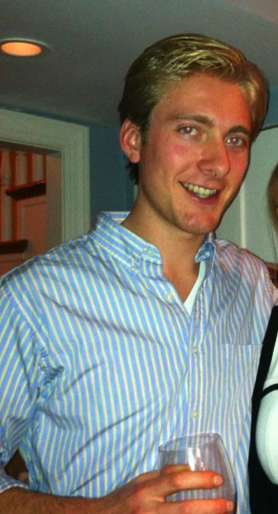
 Francis Russo has been advised the history department’s latest hire, Tom Wickman, and is writing a cultural history on Church singing in eighteenth and nineteenth century New England. His work turns on a nuanced historiographical approach to how sound and religion were intertwined at this time, and how changing conceptualizations of one naturally influenced the other. Regarding his work in particular and studying history in general: “It’s great to be working with such a small group. Everyone’s on team thesis because they want to be. Even though our heads spin at the end of some meetings from the range and variety of everyone’s different projects, it’s been fascinating to learn about everyone else’s research. Working one-on-one with your advisor is also great. At least for me, there are only a very small number of people interested in what I’m doing in the first place, so it’s great to be able to talk to someone else who’s on the same page. Working in such close proximity with your advisor and the faculty also helps to make the thesis a great culmination of to the history major. I know I’ve drawn on nearly all of my past experience of being a history major at Trinity and it’s nice to work closely with the faculty who’ve helped us get this far in the first place. It’s also a great way to tie up studying history at Trinity and it’s a swing at actually doing a substantial historical project. There aren’t that many required classes here and there’s a lot of room for majors to carve their own path. But instead of just leaving with a few more seminars under our belts, I think it’s nice to know that all roads have led to the thesis.”
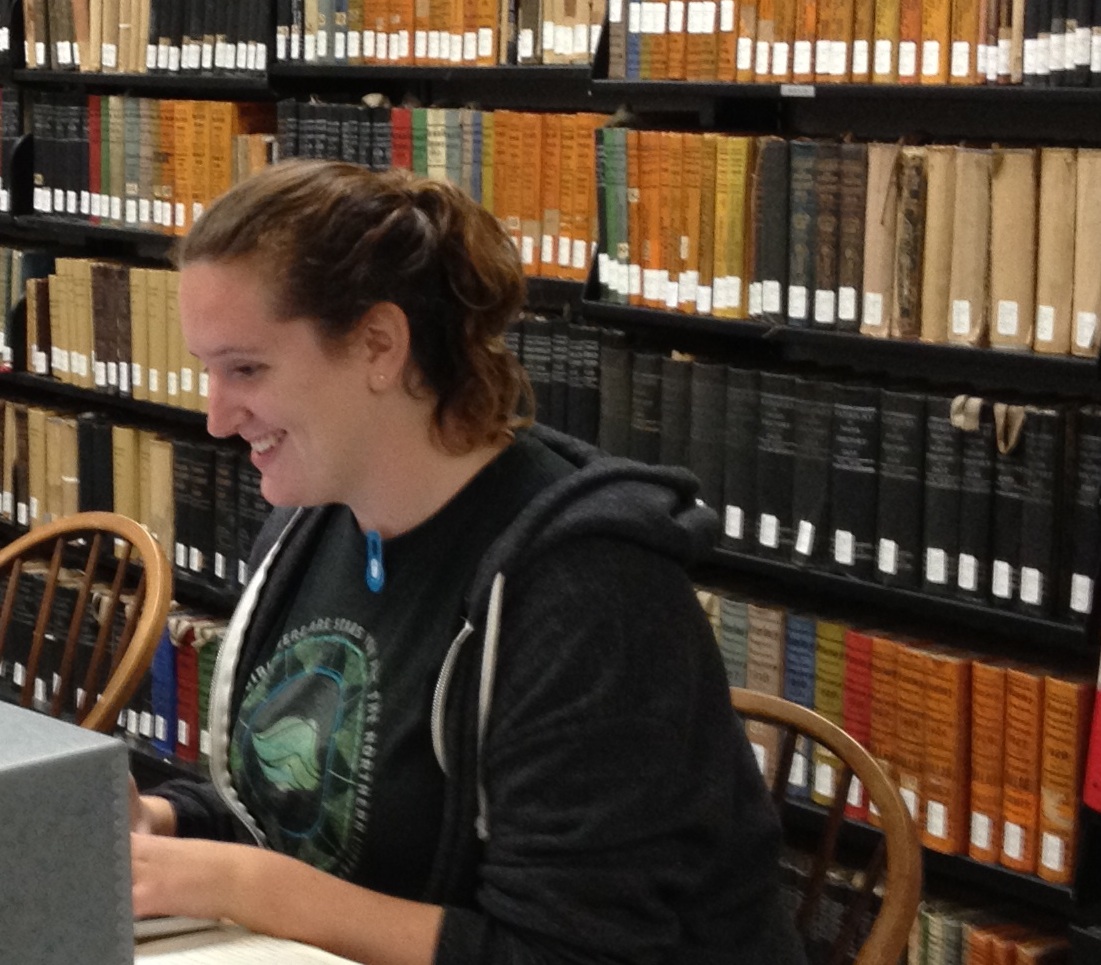 Emma Sternloff is likewise working under Tom Wickman, and is breaking new ground with a biography of Trinity’s own James Hammond Trumbull, his life and his scholarship. She had this to say: “Last fall, as I wandered through the Watkinson Library stacks, I came across a small nineteenth-century book with a faint inscription. One year later, I’m in the midst of an undergraduate thesis about the owner of that book, James Hammond Trumbull, and his study of Native American language and history. I’m lucky enough to be working with an incredible array of primary sources, both readily accessible and completely untapped. This primary material alternately surprises, frustrates, and delights me, taking my project in unexpected directions and bringing Trumbull to life. I see the thesis process as an invaluable opportunity to explore a new subject and challenge myself intellectually. Although I’m not yet sure what I’ll do after my time at Trinity ends, I know the critical thinking, research, and writing skills I’ve learned as a history major will shape the rest of my life.”
 Professor Sean Cocco is the organizer for this Fall’s Senior Thesis seminar. By focusing on argumentative technique, the rigors of historical argument, and the value of interpreting and problematizing source material, professor Cocco has been a valued resource to this year’s thesis scholars. His tutelage has been of immense importance, and there really isn’t enough space here to stress that.
 For my part, I’ve continued to write and research under the guidance of Jonathan Elukin, and have centered my thesis on medieval cartography and the spatial imaginary. There’s much to be said for the value of the thesis, what it means to our department, and what – I believe – it does for any scholar sincerely desiring to practice history, but I will be brief. The thesis exercise, and what it demands in terms of discipline, gives lie to the assumption that history is a practice aloof from the here and now – the work of constantly examining, questioning, and arguing (as practiced through the thesis) proves that although history is a backward looking field, its deep introspection keeps it relevant for us today. The history thesis is one of the best things that I think anyone practicing history can do in their undergraduate career – it awakens to him or herself as a serious scholar, and to the value and meaning of studying history.